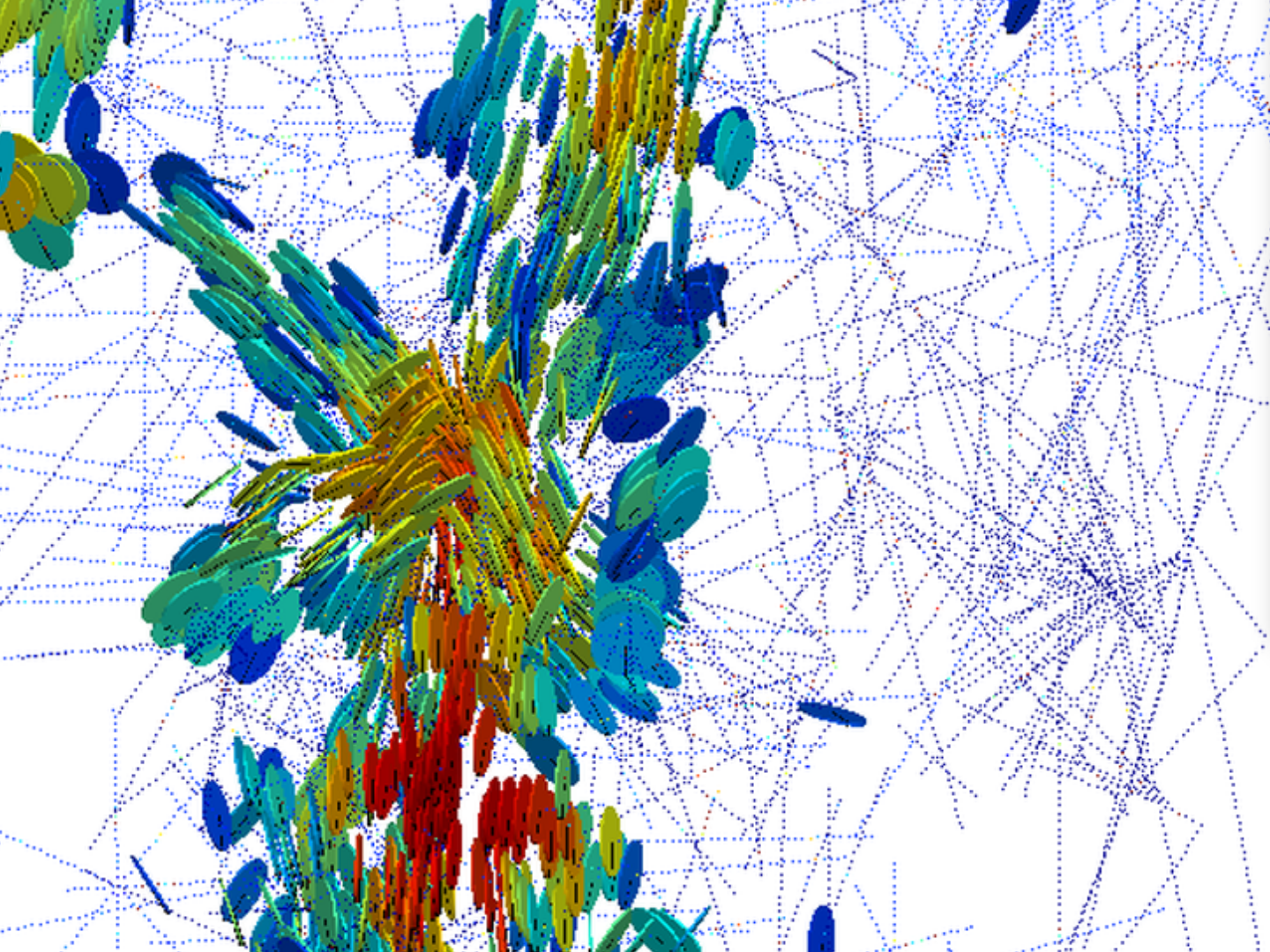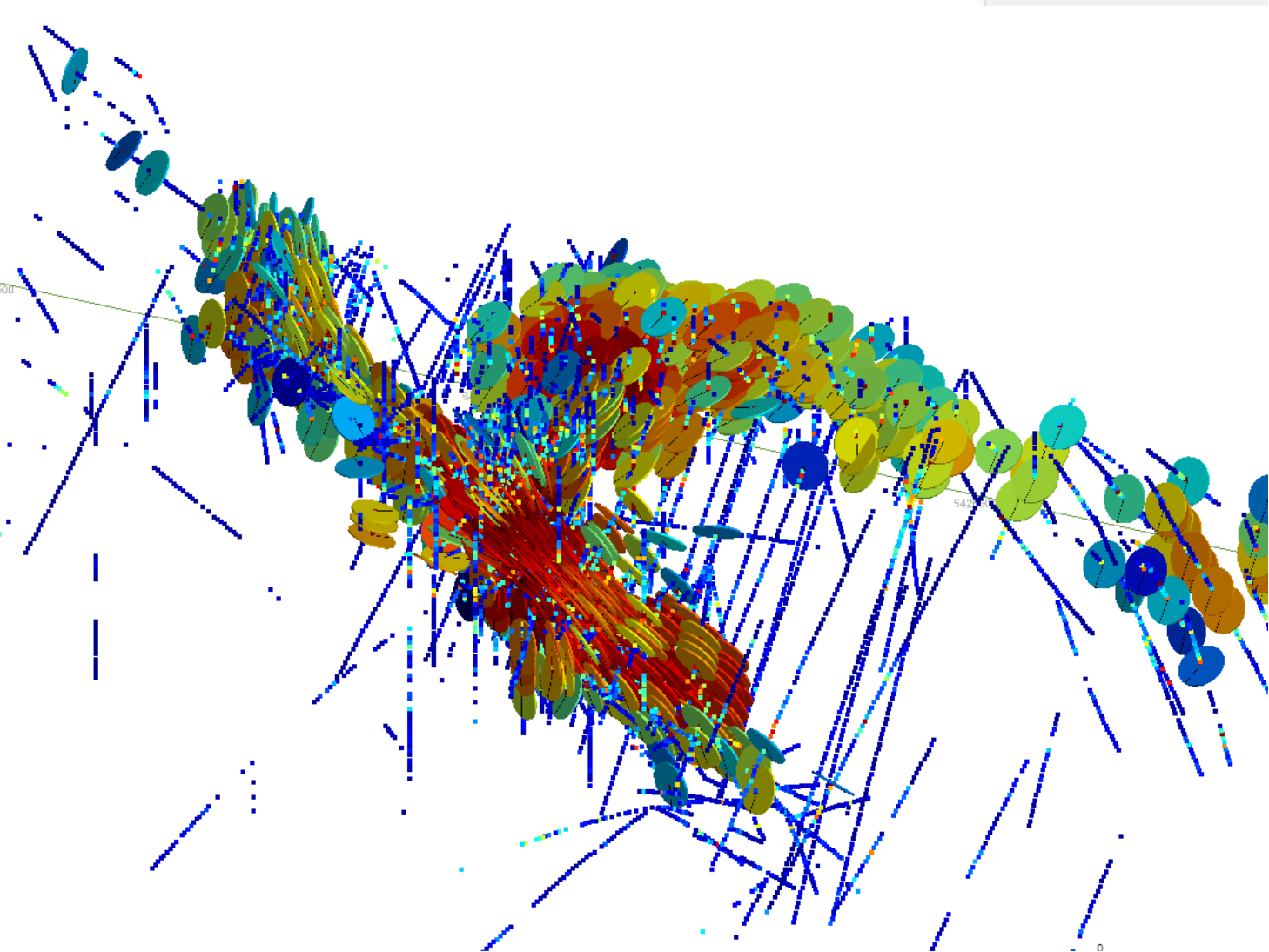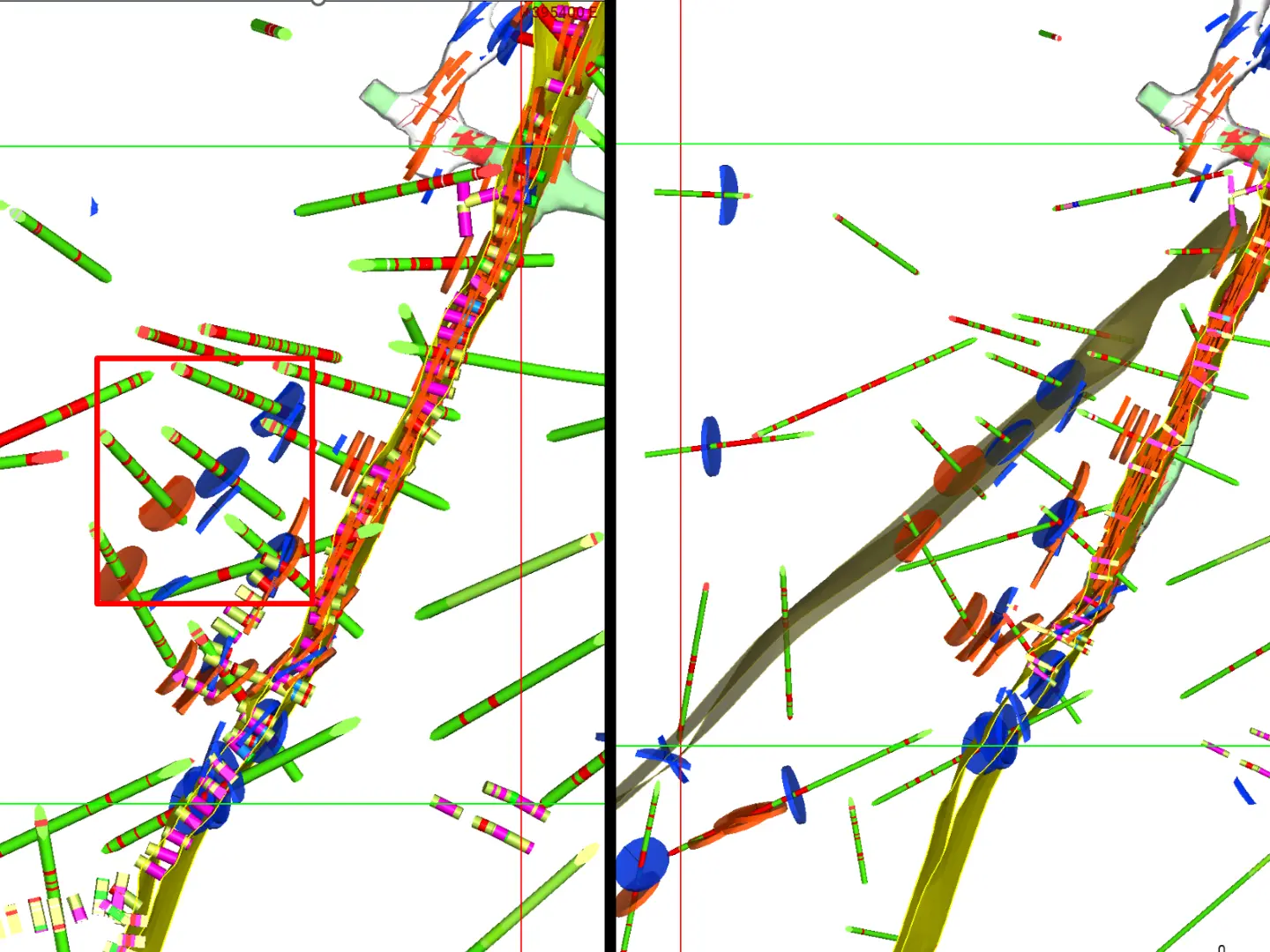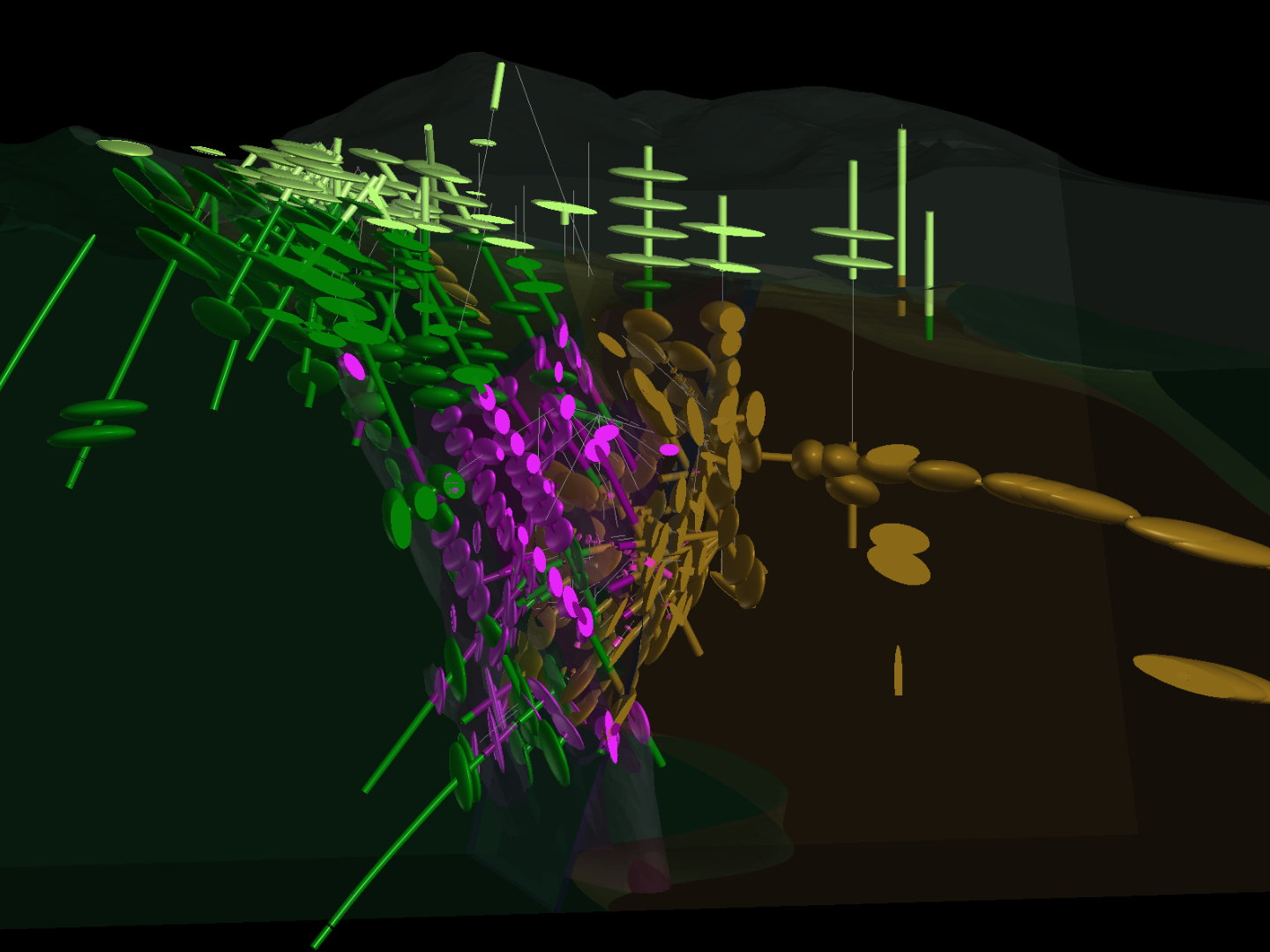
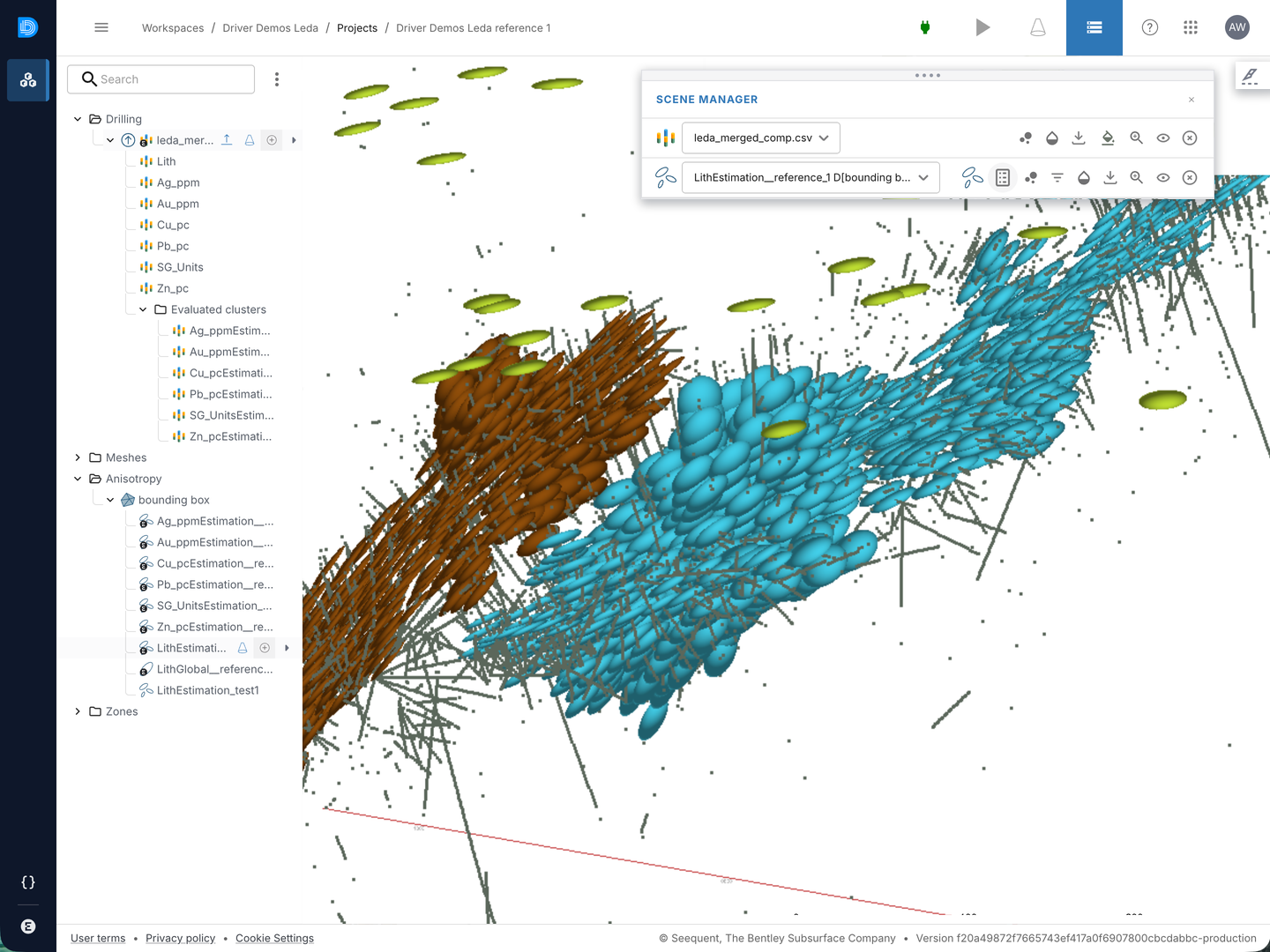
Categorical anisotropy estimation
- Works on rock types and codes
- Data-driven domain orientation
- Supports faster, defensible model decisions
- Complements numeric grade analysis
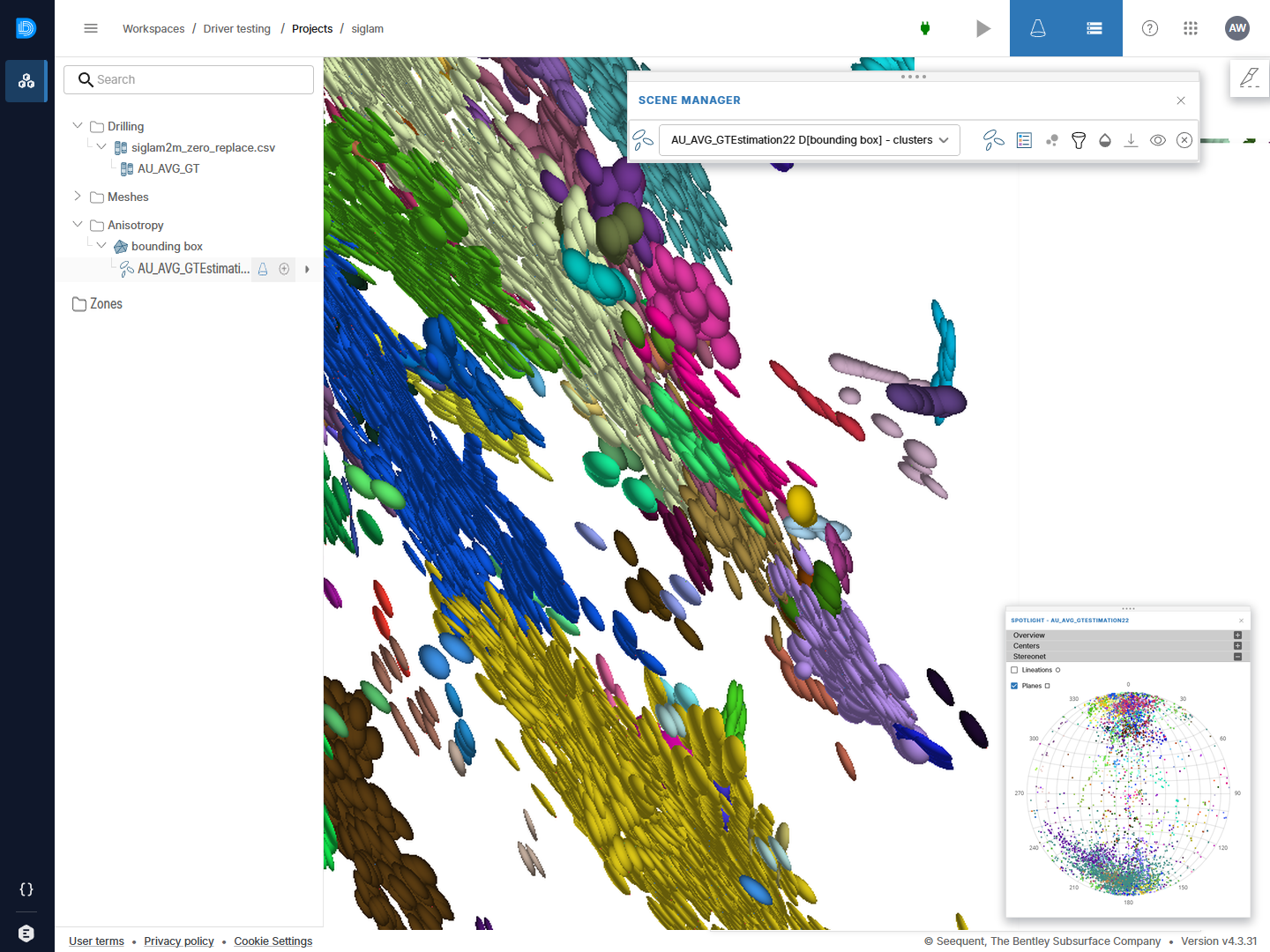
Explore the AI-powered capabilities that turn raw drilling data into structural insight, and feed model-ready trends straight into Seequent Evo and Leapfrog.
Driver's newest capabilities extend spatial analysis to categorical data, giving geoscientists a fuller, more defensible picture of structural continuity that feeds directly into geological modelling.
From data import to model-ready output, these are the capabilities geoscientists rely on to analyse structure, compare attributes, classify intervals, and move results straight into Leapfrog.
This course explains how Driver works with Leapfrog and Seequent Evo to refine geological models and enhance data integration. Using the sample data provided, you will learn how to create a new Driver project, prepare and export data from Leapfrog to Driver through Seequent Evo, and create an anisotropy estimation in Driver.
‘The accuracy and speed of Driver when it comes to identifying structural trends simply means that smaller veins, which may once have been overlooked, are now easily found’
Grow your geoscience knowledge, connect with peers, and refresh your skills
Discover new opportunities, connect with peers, and share insights and best practices with others in your field.
Visit Seequent CommunityGet started fast or upskill whilst working with our onboarding and advanced free eLearning courses.
Visit Seequent Learning CentreFind answers to your technical questions and get the most out of your product, with our in-depth product help information.
Visit Seequent Help