


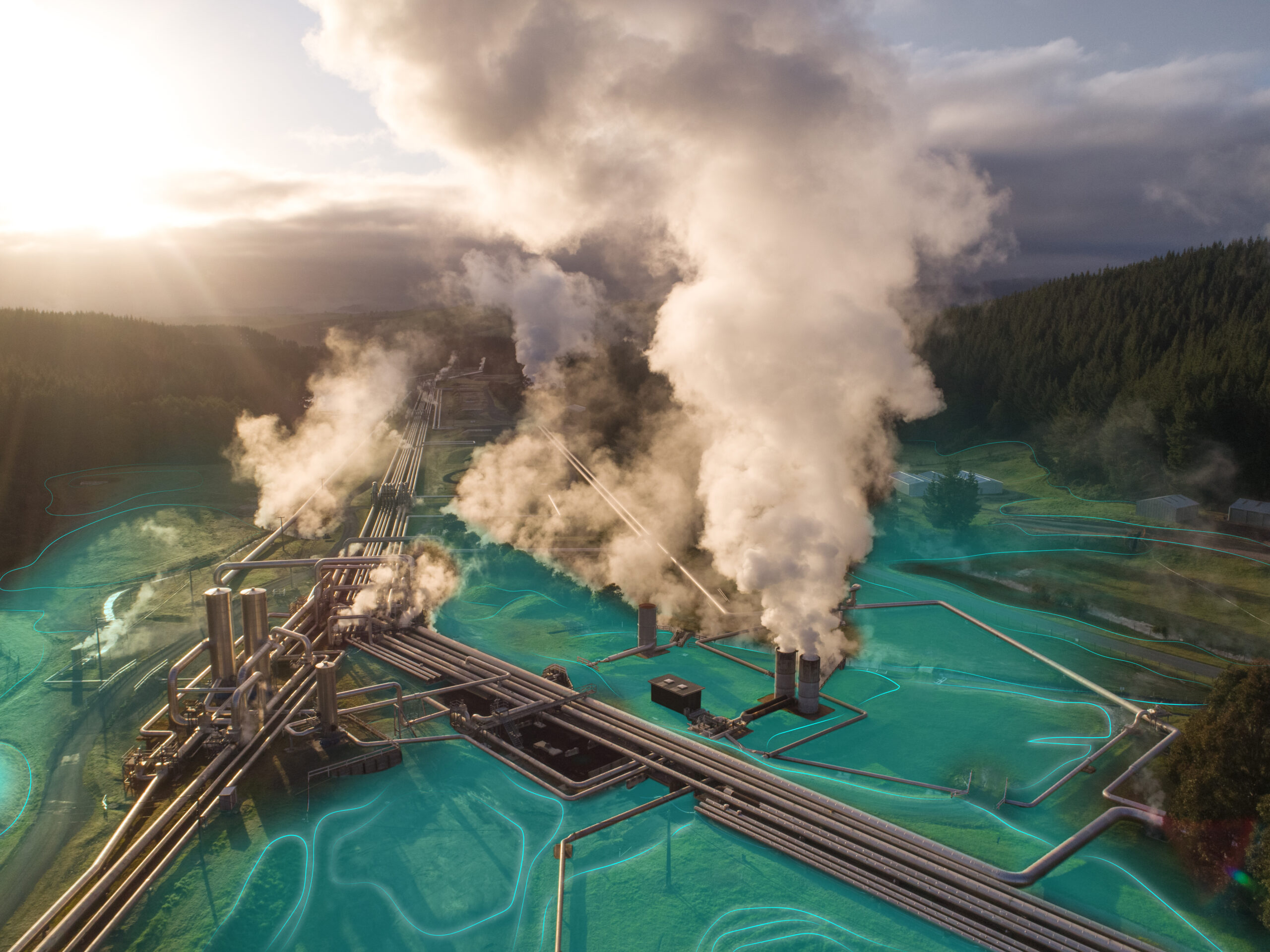
The global energy system is not short of capital. It is short of delivery. Dr Marit Brommer, CEO, International Geothermal Association writes.
The global energy system is at an inflection point. Record profits in the oil and gas sector have created a historic opportunity to accelerate investment in reliable, low-carbon energy. At the same time, demand for always-on clean power is rising – driven by electrification, energy security and high-load users such as industry and data centres (1).
Yet across markets, the pace of delivery is not keeping up with the scale of ambition. Geothermal stands out as a natural destination for this capital – scalable, dispatchable, and aligned with the core capabilities of the oil and gas industry. It is unrivalled as an energy source capable of delivering continuous, domestic, low-carbon energy at infrastructure scale.
Why geothermal, and why now?
Geothermal is a proven technology. It is entering a phase of commercial maturity and infrastructure-scale delivery, supported by growing global investment in next-generation and enhanced geothermal systems, increasing policy support and regulatory momentum, and the rising demand for firm, 24/7 clean energy.
The potential is vast, but potential does not change energy systems. Projects do. Scaling geothermal depends on reducing subsurface uncertainty and delivering with greater speed and confidence – a challenge that is already being solved.
At the Lumut Balai project in Indonesia (2), for instance, integrated subsurface modelling technology from Seequent allowed Pertamina to reduce drilling risk from a prohibitive 48% to just 15%. Geothermal is ready; now we must scale delivery.
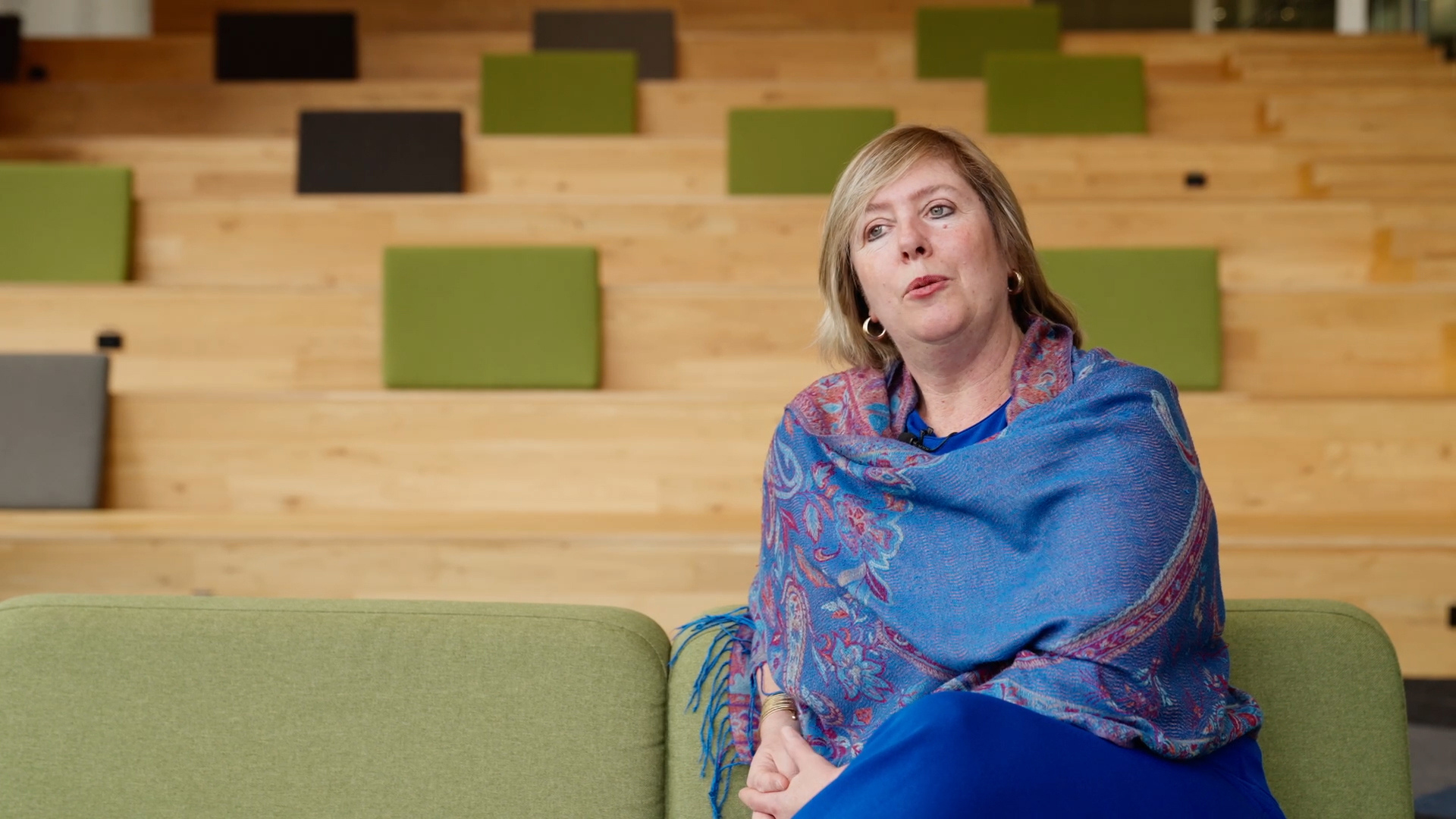
International Geothermal Association Chief Executive, Dr. Marit Brommer, at the 2024 NZ Geothermal Workshop in Auckland.
Source: Seequent
Related content:
* Striking heat and metal: Why mining and geothermal should forge a new alliance
* Harnessing precision tauharas role in New Zealands green energy transformation
* Geothermal’s potential to be a pivotal player in the energy transition
A shared foundation: de-risking through subsurface expertise
This is not a transition away from oil and gas expertise – it is a redeployment of it. Oil and gas does not need to reinvent itself to lead in geothermal. The same subsurface skills and technology underpin both industries.
The difference is not in the capability, but in how it is applied – a principle demonstrated by Seequent customer Fervo Energy. Segment Director Energy, Jeremy O’Brien said that by adapting horizontal drilling techniques (3) pioneered in the oil and gas sector, Fervo have successfully enhanced geothermal system performance to deliver reliable, carbon-free power for major industrial users including Google. The core strengths of oil and gas are directly transferable. The same subsurface modelling expertise used to de-risk hydrocarbon exploration is precisely what is needed to reduce uncertainty and improve project confidence in geothermal. Advanced drilling and well engineering capabilities are essential to access the deeper, hotter, and more complex systems that hold the greatest potential. Furthermore, decades of experience in delivering capital-intensive infrastructure provide the execution muscle required to build geothermal at scale. This is all supported by a ready talent pool of skilled professionals whose expertise can be immediately redeployed.
When combined with integrated, data-driven subsurface workflows, these strengths enable better decisions earlier in the project lifecycle – shortening timelines, reducing cost overruns and making geothermal bankable at scale. In this context, subsurface data becomes strategic infrastructure – not just for individual projects, but for national energy systems.
Monetising assets and accelerating transition
Geothermal offers oil and gas companies a practical transition pathway that creates value rather than stranding assets. It is one of the few pathways in the energy transition that turns legacy into leverage. It provides immediate opportunities to monetise existing infrastructure, either by repurposing existing wells for geothermal heat or by co-producing energy from hot water already encountered during hydrocarbon operations. Beyond the physical assets, it allows companies to re-use vast archives of subsurface data, transforming a dormant library into a powerful tool for unlocking and de-risking new geothermal opportunities.
These approaches turn legacy assets and data into long-term, low-carbon revenue streams. They also offer a bridge between today’s operations and tomorrow’s energy systems – enabling companies to transition while continuing to deliver value.

Seequent Segment Director, Energy, Jeremy O’Brien and International Geothermal Association Chief Executive Marit Brommer discuss geothermal’s emerging importance.
Source: Bentley Systems
What is required to unlock scale
The window to act is open but it will not remain open indefinitely. To seize this opportunity, both industry and governments must move decisively from ambition to deployment. This requires strategic capital allocation, dedicating a portion of current profits to establish geothermal as a core growth strategy. It demands an integrated energy policy that enables the co-development of oil, gas, and geothermal resources, creating regulatory alignment. Success will be driven by collaboration and joint ventures that combine capital with subsurface expertise and innovation. Finally, progress must be underpinned by national-scale subsurface data foundations to reduce investment risk and accelerate development for all.
What is needed now is not further validation, but acceleration.
Geothermal is ready to scale – but only if capital, expertise and data come together. Geothermal is ready – now we must deliver. By deploying its financial strength and subsurface capability into geothermal today, the oil and gas industry can secure a leadership role in delivering reliable, low-carbon energy for decades to come. Not at the margins, but at the core of its future strategy.
The energy transition will be shaped by those who act decisively – and geothermal is where that action can deliver the greatest impact. Those who move first will not only accelerate the transition – they will define it. And in doing so, they will help forge geothermal innovation at the scale the world now demands.
* Dr Marit Brommer is the CEO of the International Geothermal Association (IGA). This article is written in the context of the IGA’s global partnership with Seequent which is evolving the way mining, civil engineering, energy and environmental organisations work with a better understanding of the underground.
References
¹ International Energy Agency. The Future of Geothermal Energy. Paris: IEA, 2024. https://www.iea.org/reports/the-future-of-geothermal-energy.
² Seequent, ‘Cutting risk to accelerate key Indonesian geothermal project’, Seequent, n.d., https://www.seequent.com/cutting-risk-to-accelerate-key-indonesian-geothermal-project/, accessed 28 April 2026.
³ Seequent, ‘The geothermal innovation powering Google’s data centres’, Seequent, n.d., https://www.seequent.com/the-geothermal-innovation-powering-googles-data-centres/, accessed 28 April 2026.