



By Jeremy O’Brien, Segment Director, Energy
The desire for national energy independence will continue to be a major global trend in 2026, driven by geopolitical tensions, improving global living standards and new and growing energy use cases such as AI and data centres.
Demand for primary energy sources like oil and gas will continue to be high, with operators focusing on their bottom line and business development opportunities.
However, we also expect to see continued record levels of investment in renewables, driven by growing demand. While energy transition progress will advance in 2026, challenges remain. Most large-scale renewable investments will focus on intermittent sources, like solar and wind, that require significant storage reliant on critical minerals from a mining sector affected by geopolitical tensions and commodity price fluctuations outside of gold.
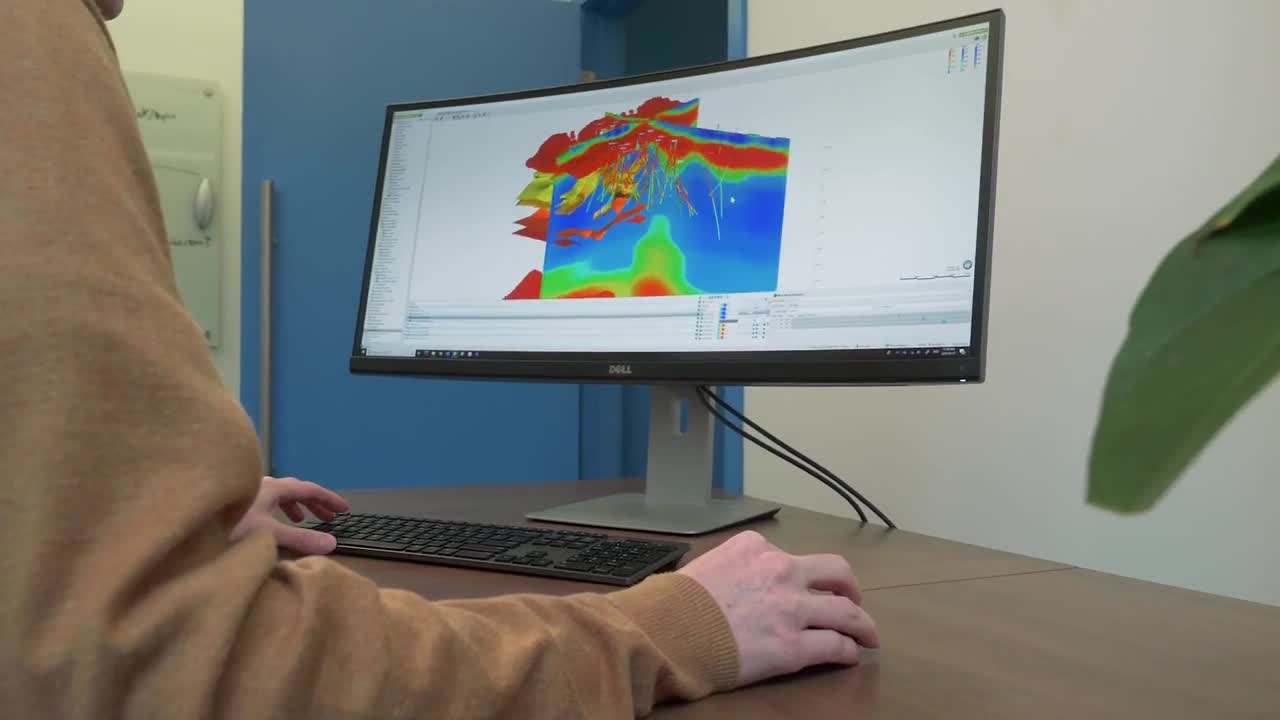
Seequent’s industry-leading geothermal software solutions reduce risk from exploration to operation
Supply chain and regulatory issues will continue to destabilise offshore wind markets outside China, with recent mass layoffs and poor returns challenging progress without large-scale government support.
As energy demand accelerates, geothermal energy — a mature industry leveraging technological innovation already in the spotlight — will attract increasing global attention.
A key factor in the continued rising interest in geothermal power is its attractiveness as a source of low carbon baseload power, providing a consistent, reliable supply which is a key factor in securing energy independence.
Delivering always-on, 24/7 low-carbon electricity, it can also replace fossil fuels to heat cities, power industrial and agricultural processes sustainably, and even power the extraction of minerals like lithium more sustainably.
In geothermal we’re expecting a few key developments:
Next generation technologies will come online
In a major validation of these innovative technologies, Enhanced Geothermal System (EGS) and Advanced Geothermal System (AGS) projects will take centre stage. EGS projects engineer reservoirs by injecting fluid into hot, dry underground rock to generate steam, enabling geothermal electricity even in areas lacking water or permeability. AGS are closed-loop geothermal systems that circulate a working fluid through underground pipes or heat exchangers, enabling production in a wider range of areas. Fervo’s award winning Cape Station EGS project in Utah and Eavor’s groundbreaking development in Geretsried, Germany, will be ones to watch in 2026. We expect new AGS and EGS generation projects to begin and innovation to continue in this space.
Drilling for supercritical
Government funded drilling projects targeting geothermal reservoirs with temperatures hotter than 374oC, will commence for the first time in New Zealand and enter a new phase in Iceland.
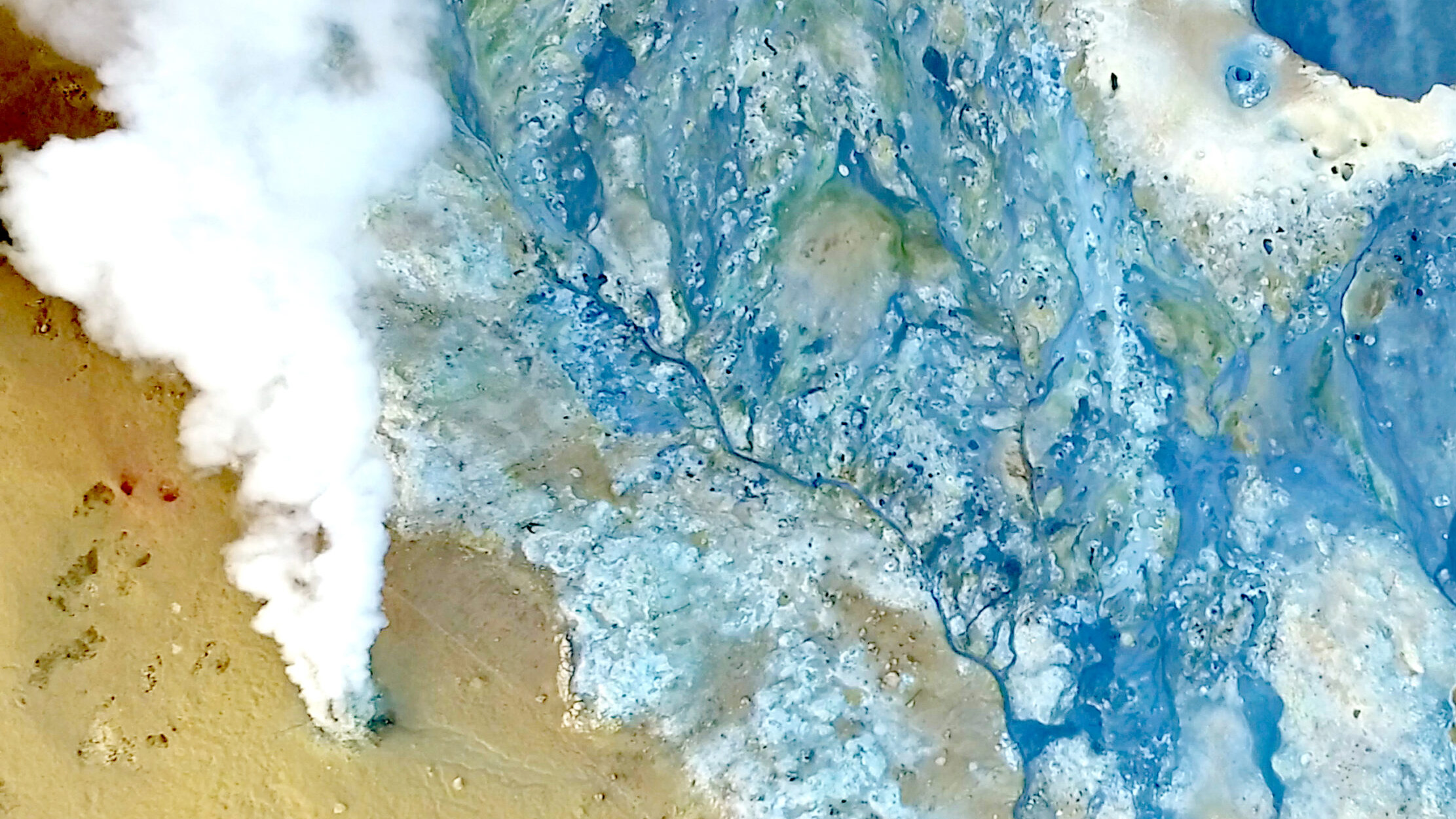
Demand for renewable energy sources, including geothermal, will continue to accelerate in 2026.
Source: Shutterstock
Digital adoption and integration
The advances made in coupled simulation are providing insights into the important area of geothermal asset management. Artificial intelligence and machine learning will play a part in optimising operations. Next generation technologies have also benefited from integrated resource assessment using subsurface software and analysis tools to increase accuracy and de-risk drilling and other high-CAPEX activities. Expect both AI and ML to become front and centre, with advances in data management coming to the fore in parallel over the next 12 months.
Collaboration and communication
In 2026, the World Geothermal Congress will be held in Calgary, Canada. This will be the first time the event has been hosted in North America and with positive Federal sentiment and technological innovation progress being made in the US, it could well be the largest turnout in the event’s history. Interest from the general public and adjacent industries like oil and gas, mining, and big tech is set to put geothermal squarely on the world stage. The geothermal industry has been working hard to develop a consistent communications framework to clearly articulate the value geothermal offers – we’ll see this put to the test on the world stage in Calgary.
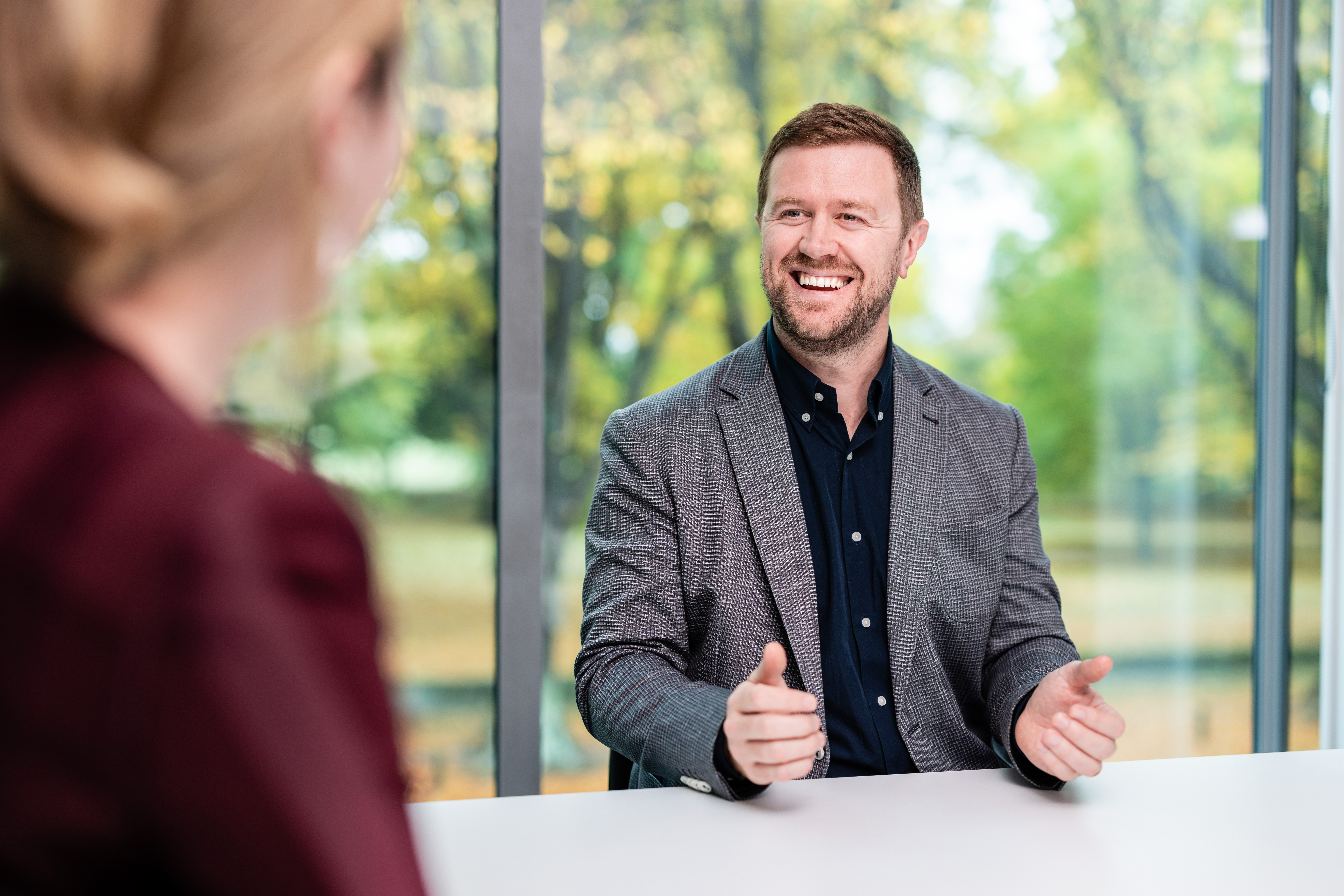
Seequent Segment Director, Energy, Jeremy O’Brien.
Source: Seequent