



As we enter 2026, the acceleration of environmental change is no longer a future concern—it is a present reality. With rising pressures on natural systems and infrastructure alike, the demand for smarter, data-driven solutions has never been greater. In this article, Dr Thomas Krom, Segment Director, Environment at Seequent, explores three defining trends set to shape the environmental landscape in the year ahead.
We are past the halfway point in the second decade of the 21st century, and the intersection of environmental stewardship, technology, and infrastructure development is reshaping how we understand and manage the planet’s most critical systems.
From the ocean floor to underground aquifers and contaminated soils, the subsurface is increasingly at the centre of global environmental resilience. In 2026, three emerging trends will define this agenda — driving how organisations plan, invest, and innovate to build a more resilient and decarbonised future.
The focus will shift from water scarcity to water security—driven by predictive, digitally enabled water management.
1. The blue economy and decarbonisation: the offshore geotechnical data challenge
The global push for decarbonisation is accelerating the development of the blue economy, with massive investments in offshore wind farms, carbon capture and storage (CCS) sites, and other marine renewable energy projects. In 2026, the critical bottleneck will no longer be the ambition, but the ability to rapidly and accurately characterise subsurface conditions. The sheer scale and pace of these projects will create an unprecedented demand for high-resolution geophysical and geotechnical data to de-risk investments, optimise infrastructure design, and ensure long-term environmental safety. Companies that can provide integrated, cloud-based platforms to manage and model vast and complex offshore datasets will be essential partners in building a sustainable blue economy.
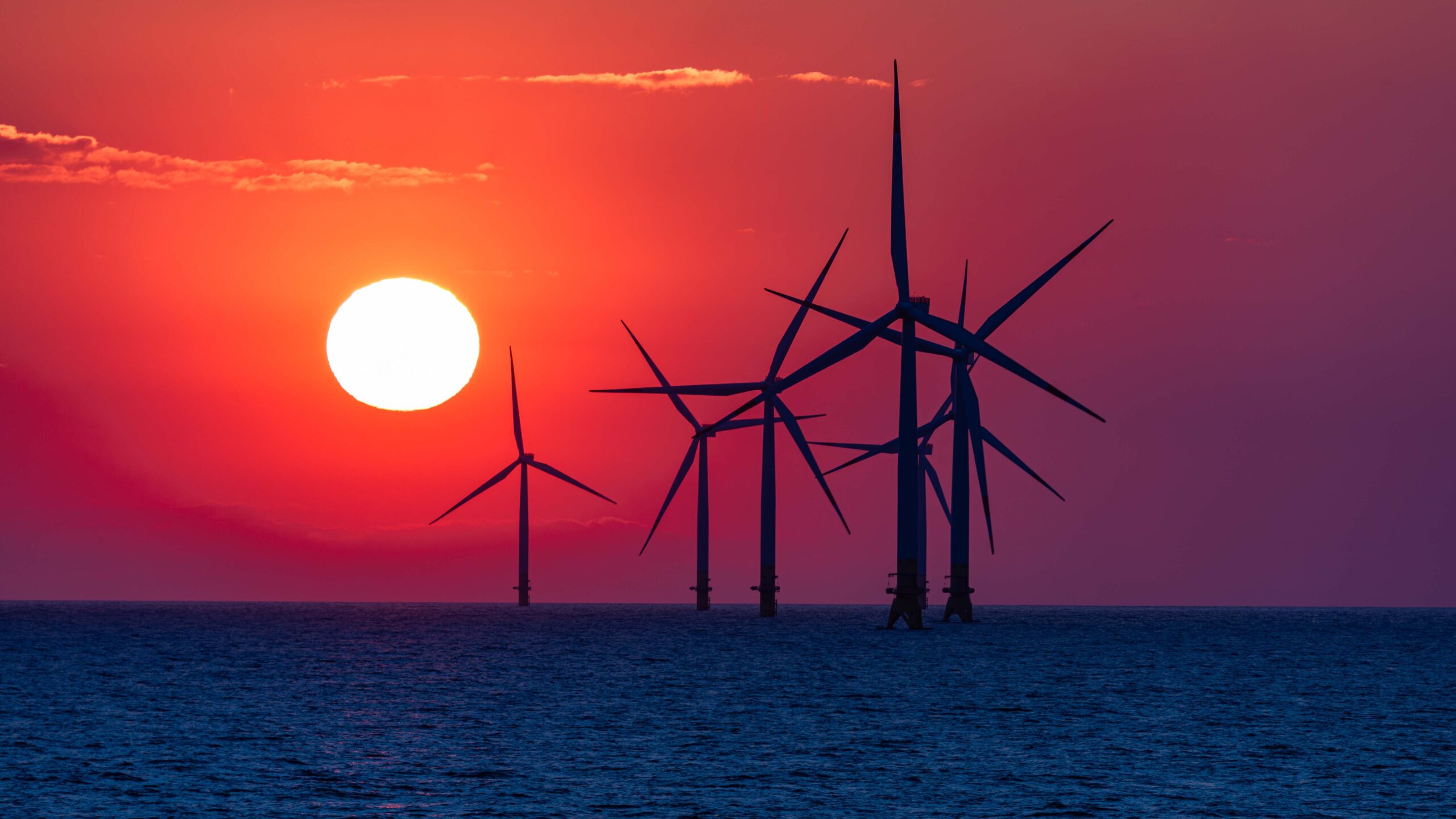
2026 will see the continuation of large investments in offshore wind and other renewable energy projects.
Source: Shutterstock
2. Water resilience in an unpredictable world: From scarcity to security
In 2026, securing a resilient water supply will be a defining global challenge, moving beyond coastal concerns. Growing populations, aging infrastructure, and the increasing frequency of droughts and floods are putting unprecedented stress on our water systems, from vast underground aquifers to surface-level reservoirs. The focus will be on a holistic and predictive approach to water management. This requires a deep, dynamic understanding of the entire water cycle, especially the subsurface. Advanced modelling will be critical for managing groundwater depletion, assessing contamination risks, optimising managed aquifer recharge projects, and predicting the impact of extreme weather. Near real-time 3D models of the subsurface alongside digital twins for water infrastructure can empower communities and industries to move from a state of vulnerability to one of water security.
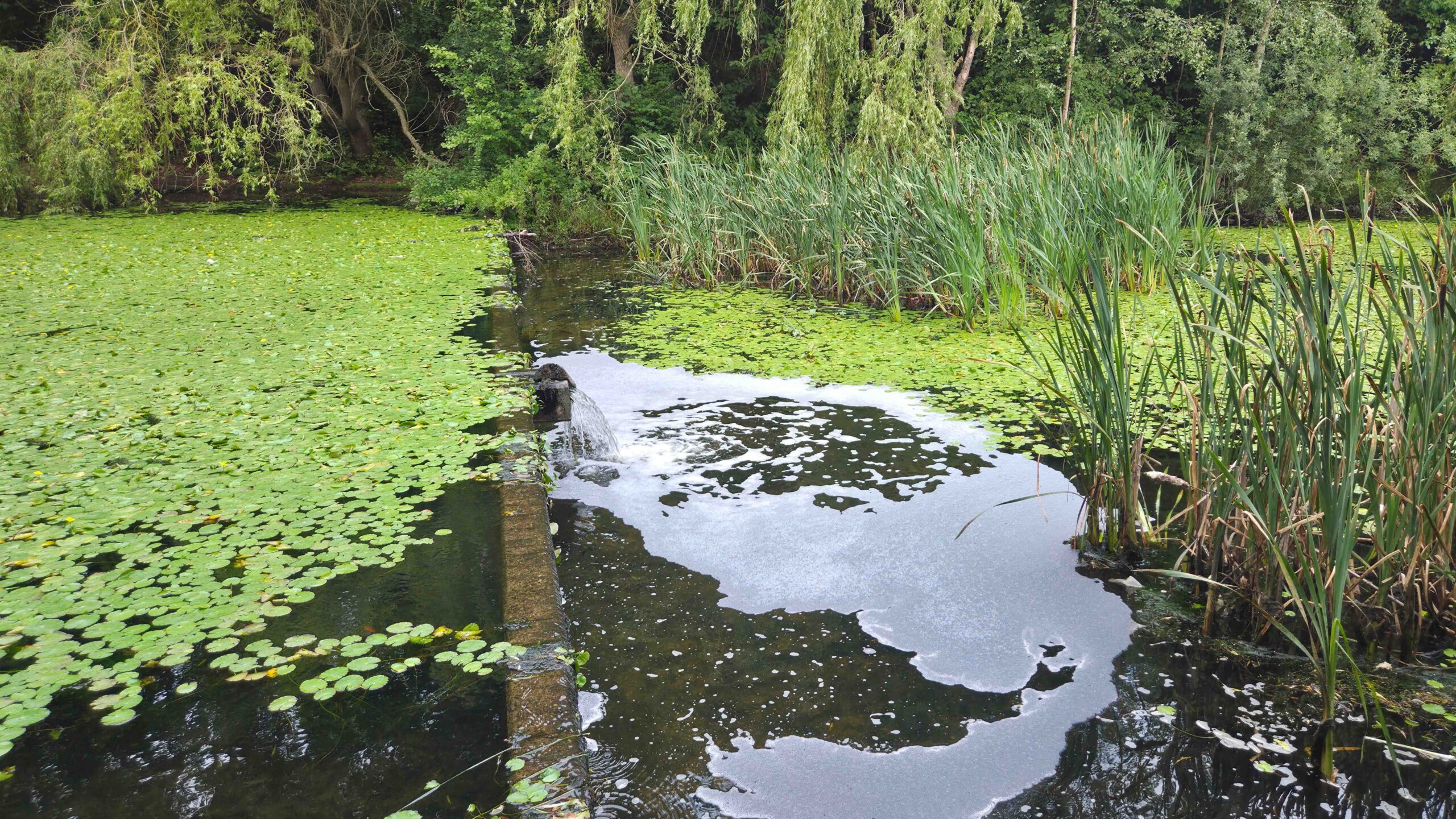
The presence of PFAS, which can be indicated by foam on water, will become an issue of greater importance in 2026.
Source: Shutterstock
3. The subsurface frontline: tackling ‘forever chemicals’ to enable a new wave of infrastructure
The global boom in public and private infrastructure—from data centres and semiconductor fabs to transportation networks—is colliding with a legacy of ground contamination. In 2026, the spotlight will be on soil and water pollution, particularly insidious ‘forever chemicals’ like PFAS, which pose a significant threat to our water supply. Those pollutants compound number of brownfield sites and the risk they pose, whence remediating and redeveloping brownfield sites is no longer just an option but a necessity. This creates an urgent need for high-resolution subsurface investigation and digital modelling to accurately map contaminant plumes, design effective remediation strategies, and ensure the safety of new developments. The ability to clearly understand and visualise what lies beneath our feet will be the critical first step in safely building the infrastructure of the future.
Looking ahead
The environmental challenges ahead are complex, interconnected, and accelerating — but so are the opportunities to act smarter and with greater foresight. By combining advanced subsurface modelling, cloud-based collaboration, and data-driven insight, organisations can move beyond reactive management toward predictive, integrated environmental resilience.
Whether it’s unlocking the blue economy, securing global water systems, or remediating the land beneath our cities, the ability to truly see and understand the subsurface will be the foundation for a more resilient and secure future.

Seequent Segment Director Dr Thomas D Krom
Source: Bentley Systems